


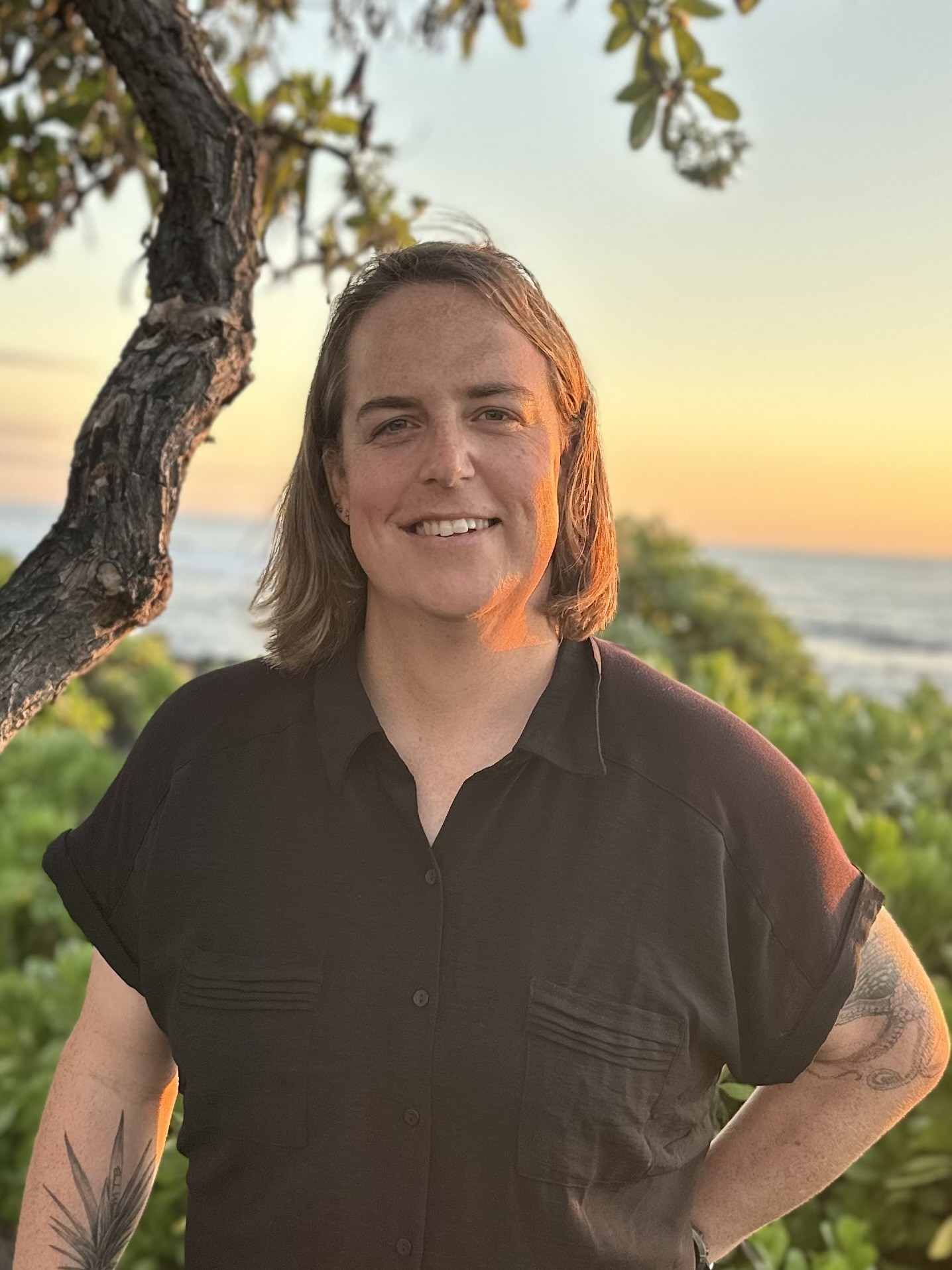
What type of person are you a particularly good fit for?
I’m a particularly good fit for people who have felt outside the norm or unseen for much of their lives. This includes neurodivergent adults, LGBTQIA+ individuals, perfectionists, and people who grew up without consistent emotional attunement or safety. Many of my clients are thoughtful, self-aware, and capable on the outside, but carry a deep sense of disconnection, self-doubt, or shame on the inside. If you’ve spent a long time feeling like you had to adapt yourself to survive, therapy with me may feel grounding and relieving.
What kinds of struggles or life moments do you feel most at home helping people with?
I feel most at home helping people process trauma—especially childhood and relational trauma—and the identity questions that often come with it. This includes perfectionism, anxiety, shame, emotional neglect, and the long-term impact of not feeling protected or seen earlier in life. I also support clients navigating gender and sexuality exploration, major life transitions, and the work of reconnecting with themselves after years of functioning in survival mode.
When someone first sits down with you, what do you want them to feel?
I want people to feel genuinely cared for, safe, and not alone. My hope is that the room feels human, grounded, and authentic—not clinical or hierarchical. I work intentionally to reduce the power imbalance that can exist in therapy, showing up as myself and meeting clients where they are. From the beginning, I want clients to know that they matter, that their experiences make sense, and that we can move forward together at a pace that respects their nervous system and their story.
What type of person are you a particularly good fit for?
I’m a particularly good fit for people who have felt outside the norm or unseen for much of their lives. This includes neurodivergent adults, LGBTQIA+ individuals, perfectionists, and people who grew up without consistent emotional attunement or safety. Many of my clients are thoughtful, self-aware, and capable on the outside, but carry a deep sense of disconnection, self-doubt, or shame on the inside. If you’ve spent a long time feeling like you had to adapt yourself to survive, therapy with me may feel grounding and relieving.
What kinds of struggles or life moments do you feel most at home helping people with?
I feel most at home helping people process trauma—especially childhood and relational trauma—and the identity questions that often come with it. This includes perfectionism, anxiety, shame, emotional neglect, and the long-term impact of not feeling protected or seen earlier in life. I also support clients navigating gender and sexuality exploration, major life transitions, and the work of reconnecting with themselves after years of functioning in survival mode.
When someone first sits down with you, what do you want them to feel?
I want people to feel genuinely cared for, safe, and not alone. My hope is that the room feels human, grounded, and authentic—not clinical or hierarchical. I work intentionally to reduce the power imbalance that can exist in therapy, showing up as myself and meeting clients where they are. From the beginning, I want clients to know that they matter, that their experiences make sense, and that we can move forward together at a pace that respects their nervous system and their story.
Come as you are.
Come as you are.
Weird is welcome.
Weird is welcome.
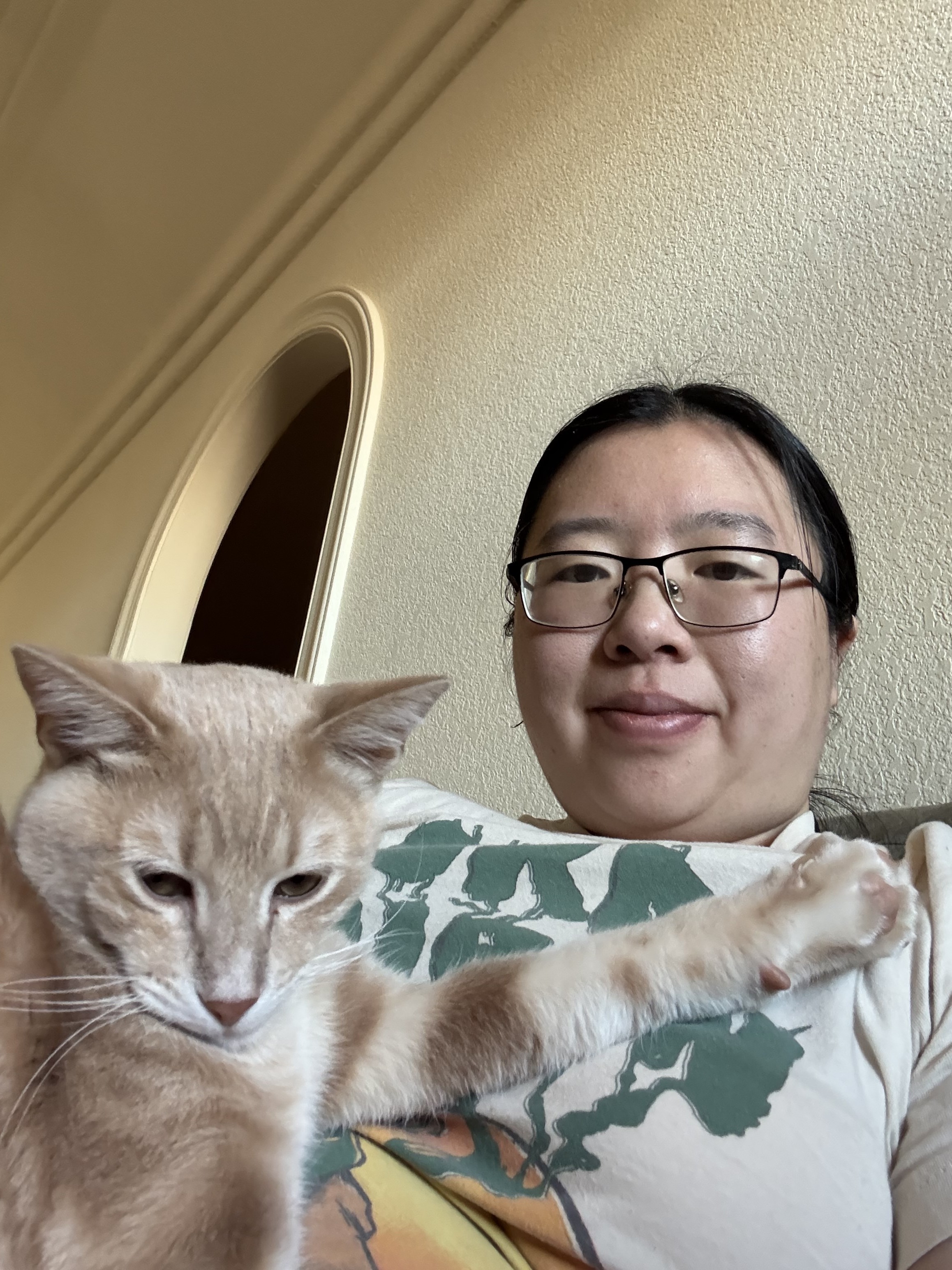
She/Her
She/Her

He/Him
He/Him
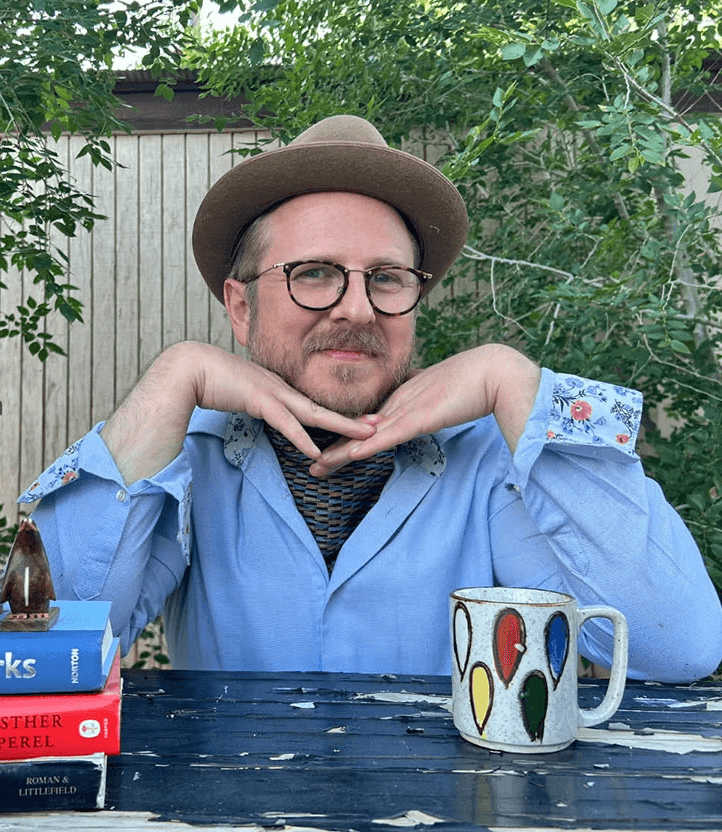
He/Him
He/Him
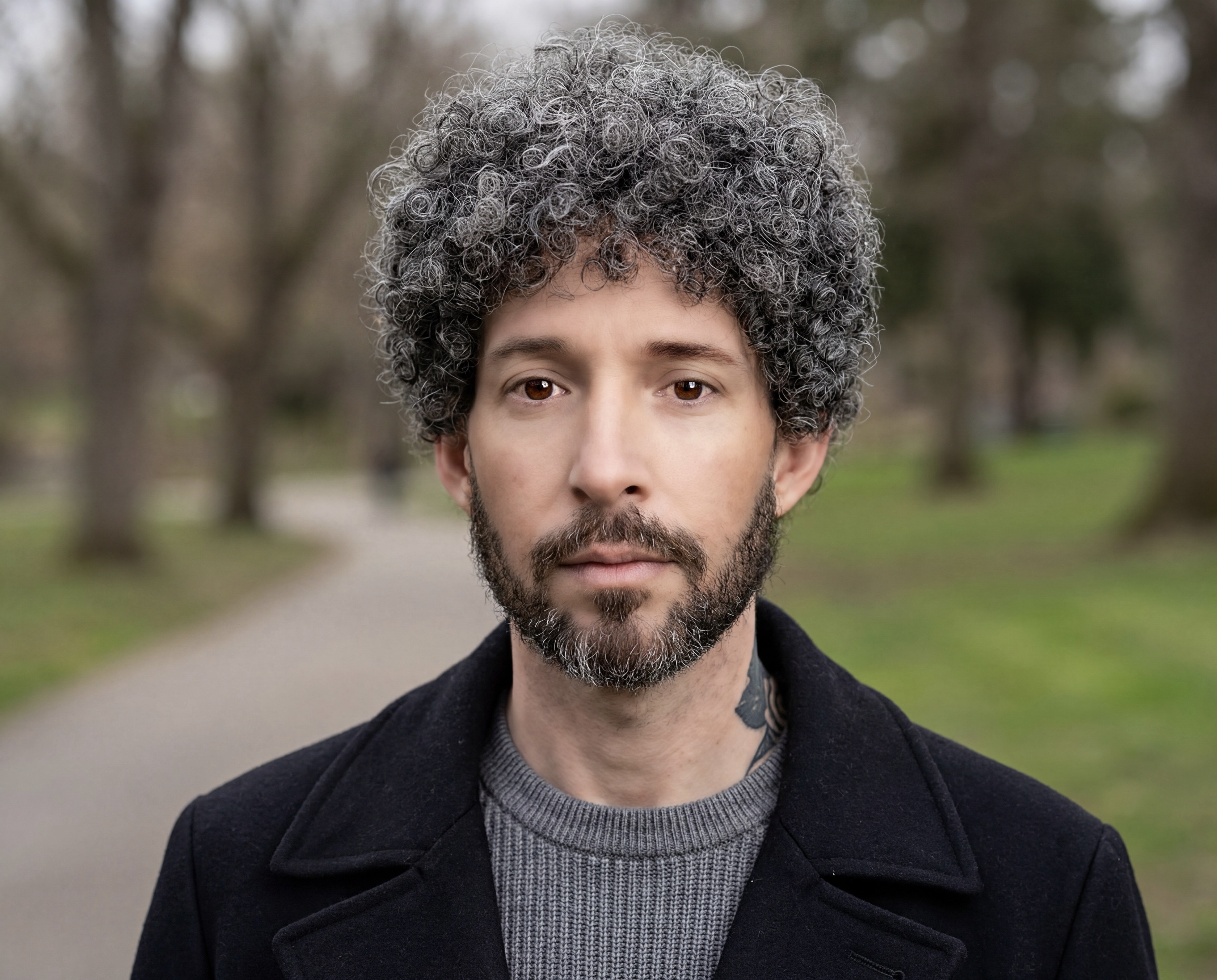
He/Him
He/Him
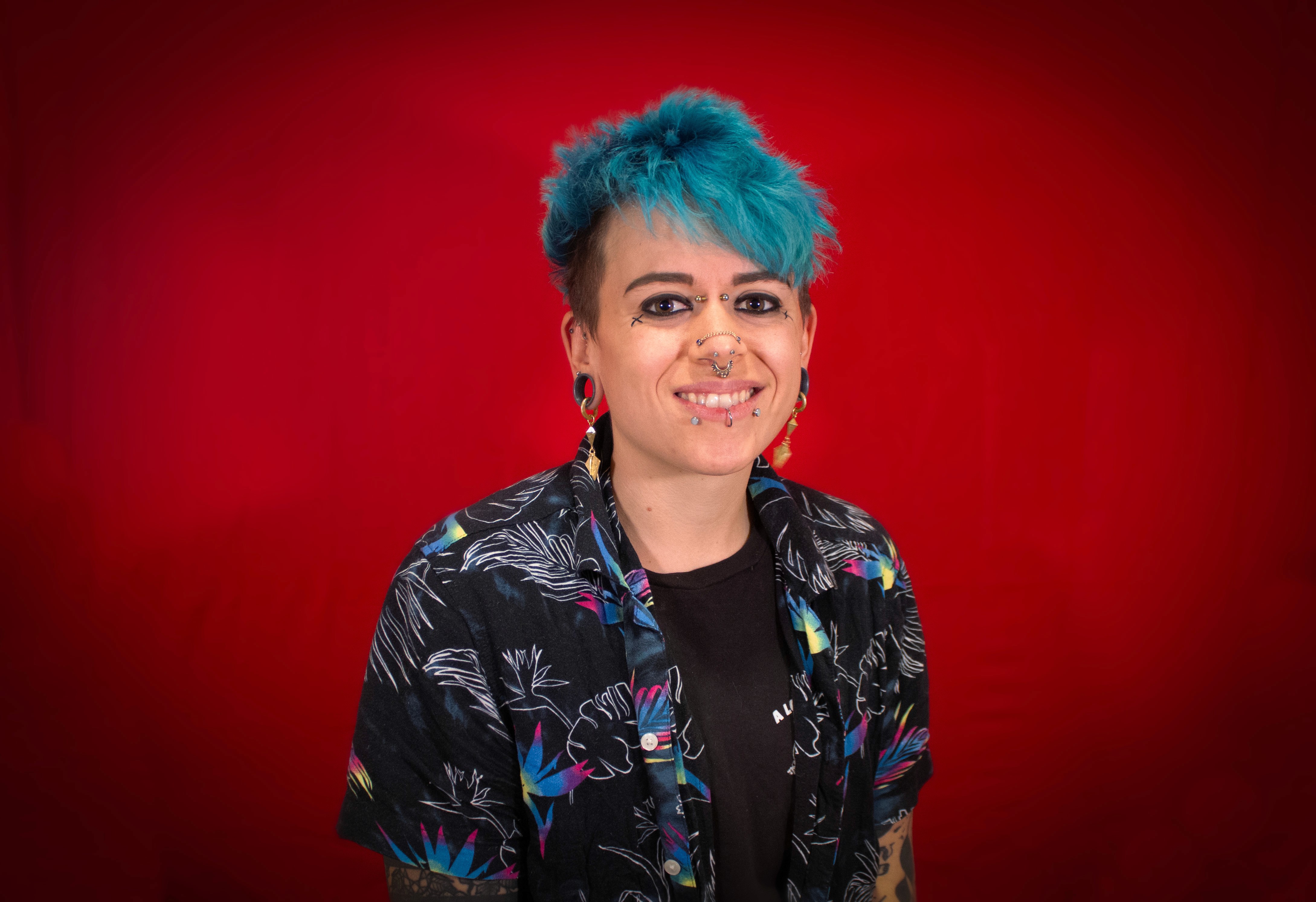
They/Them
They/Them

He/Him
He/Him
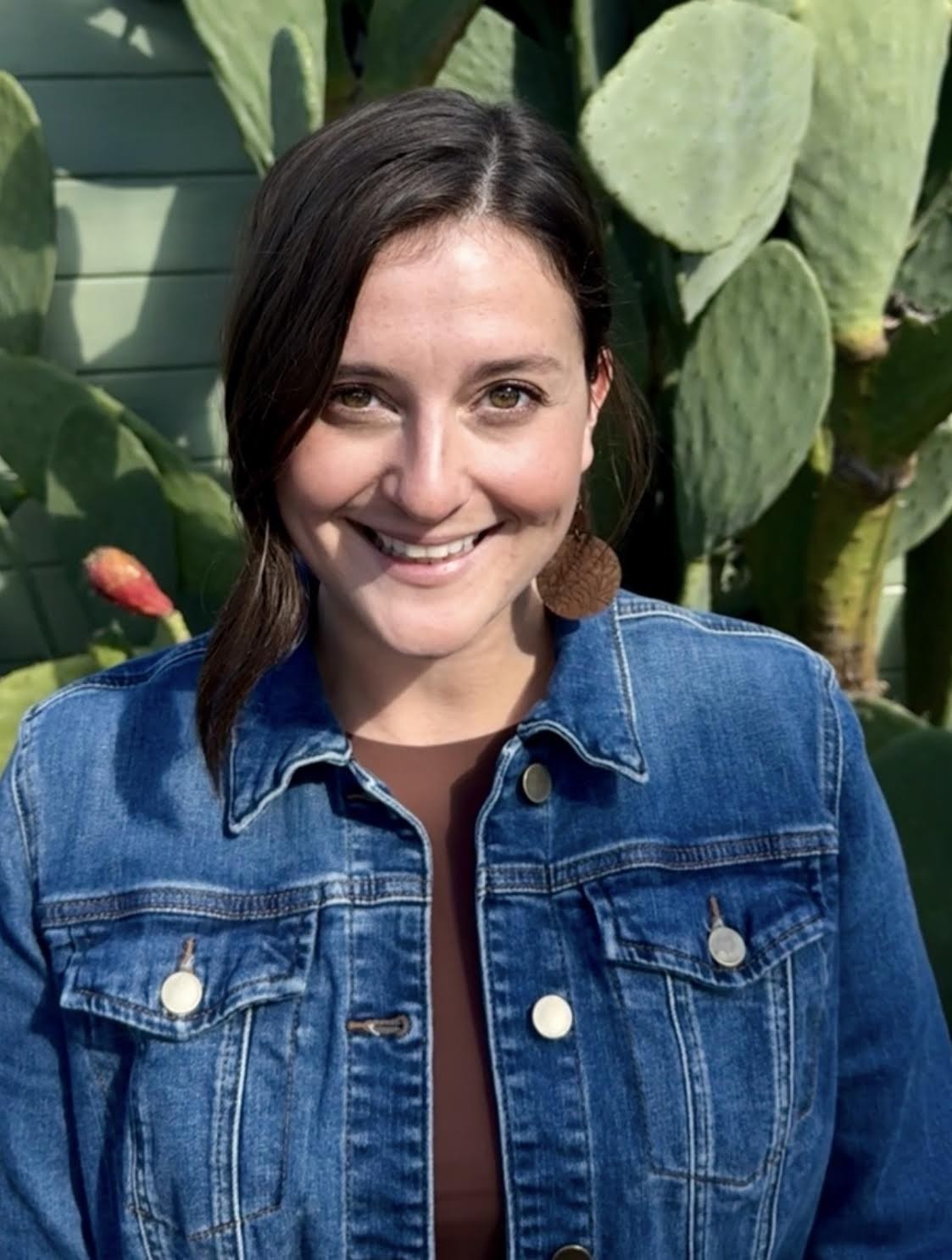
She/Her
She/Her

They/Them
They/Them
She/Her
He/Him
He/Him
He/Him
They/Them
He/Him
She/Her