



What type of person are you a particularly good fit for?
I enjoy working with a wide range of clients and believe I am especially well-suited to supporting members of the LGBTQIA+ community, particularly individuals who are exploring or questioning their gender identity. Through my clinical experience, I have become comfortable working with clients experiencing high-acuity mental health concerns and those processing the impact of trauma. Additionally, I enjoy working with adolescents and young adults as they navigate the challenges, growth, and transitions that come with entering adulthood.
What kinds of struggles or life moments do you feel most at home helping people with?
I feel most at home supporting individuals who are navigating questions of gender identity, healing from trauma, experiencing complex relationship challenges, or coping with the stress and uncertainty of the current social and political climate. More broadly, I enjoy helping people through life's transitions, whether they involve identity, relationships, recovery from difficult experiences, or major personal changes. My goal is to provide a supportive space where clients can better understand themselves, process their experiences, and move toward the life they want to build.
When someone first sits down with you, what do you want them to feel?
Above all, I want clients to feel safe, welcomed, and accepted. Building a strong therapeutic relationship begins with creating an environment where people feel comfortable being themselves without fear of judgment. Whether someone is seeking support for trauma, identity exploration, relationship concerns, or another challenge, my hope is that from our very first session they know they are entering a space where they will be heard, respected, and supported as we work together toward their goals.
What type of person are you a particularly good fit for?
I enjoy working with a wide range of clients and believe I am especially well-suited to supporting members of the LGBTQIA+ community, particularly individuals who are exploring or questioning their gender identity. Through my clinical experience, I have become comfortable working with clients experiencing high-acuity mental health concerns and those processing the impact of trauma. Additionally, I enjoy working with adolescents and young adults as they navigate the challenges, growth, and transitions that come with entering adulthood.
What kinds of struggles or life moments do you feel most at home helping people with?
I feel most at home supporting individuals who are navigating questions of gender identity, healing from trauma, experiencing complex relationship challenges, or coping with the stress and uncertainty of the current social and political climate. More broadly, I enjoy helping people through life's transitions, whether they involve identity, relationships, recovery from difficult experiences, or major personal changes. My goal is to provide a supportive space where clients can better understand themselves, process their experiences, and move toward the life they want to build.
When someone first sits down with you, what do you want them to feel?
Above all, I want clients to feel safe, welcomed, and accepted. Building a strong therapeutic relationship begins with creating an environment where people feel comfortable being themselves without fear of judgment. Whether someone is seeking support for trauma, identity exploration, relationship concerns, or another challenge, my hope is that from our very first session they know they are entering a space where they will be heard, respected, and supported as we work together toward their goals.
Come as you are.
Come as you are.
Weird is welcome.
Weird is welcome.
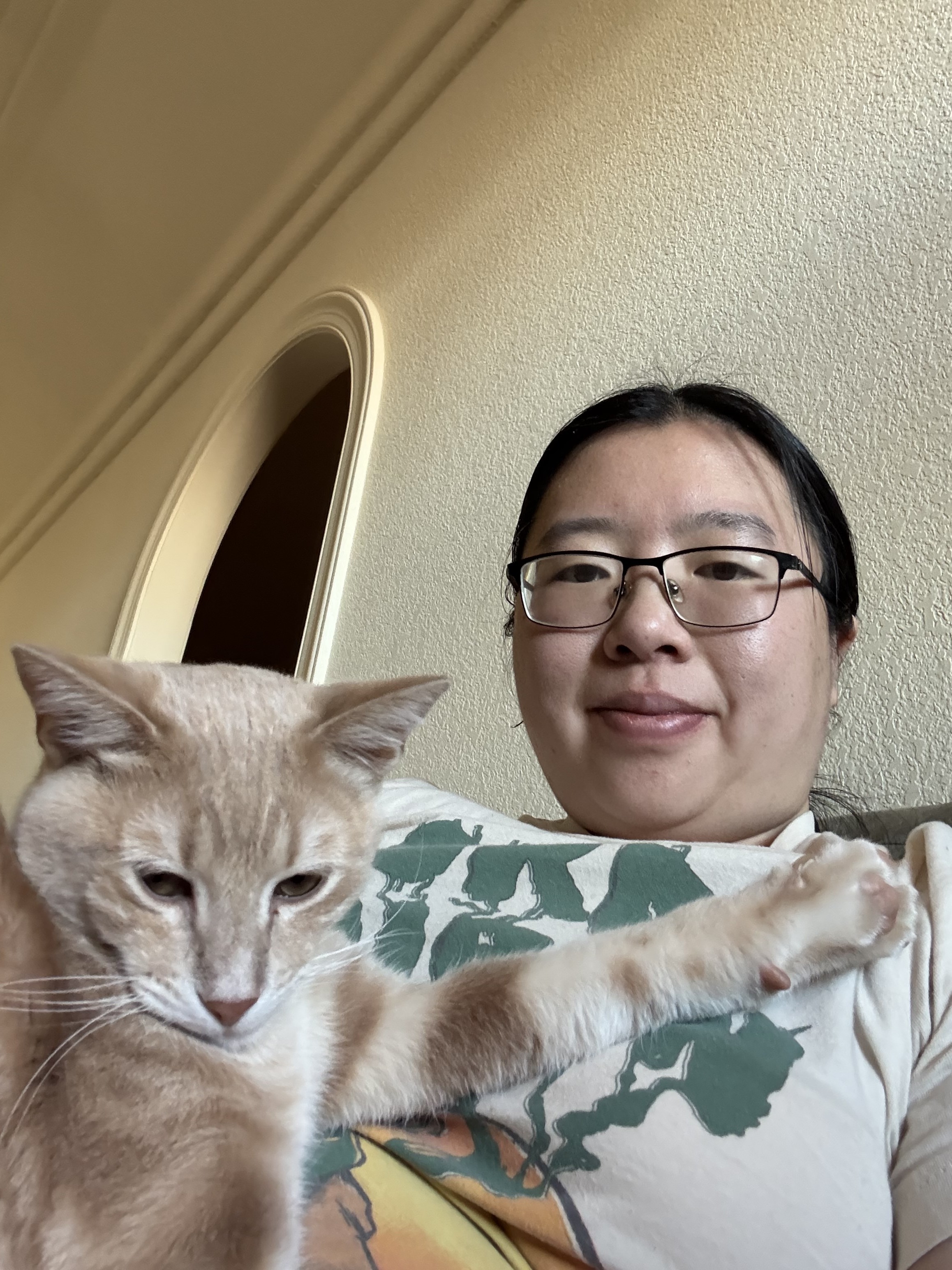
She/Her
She/Her

He/Him
He/Him
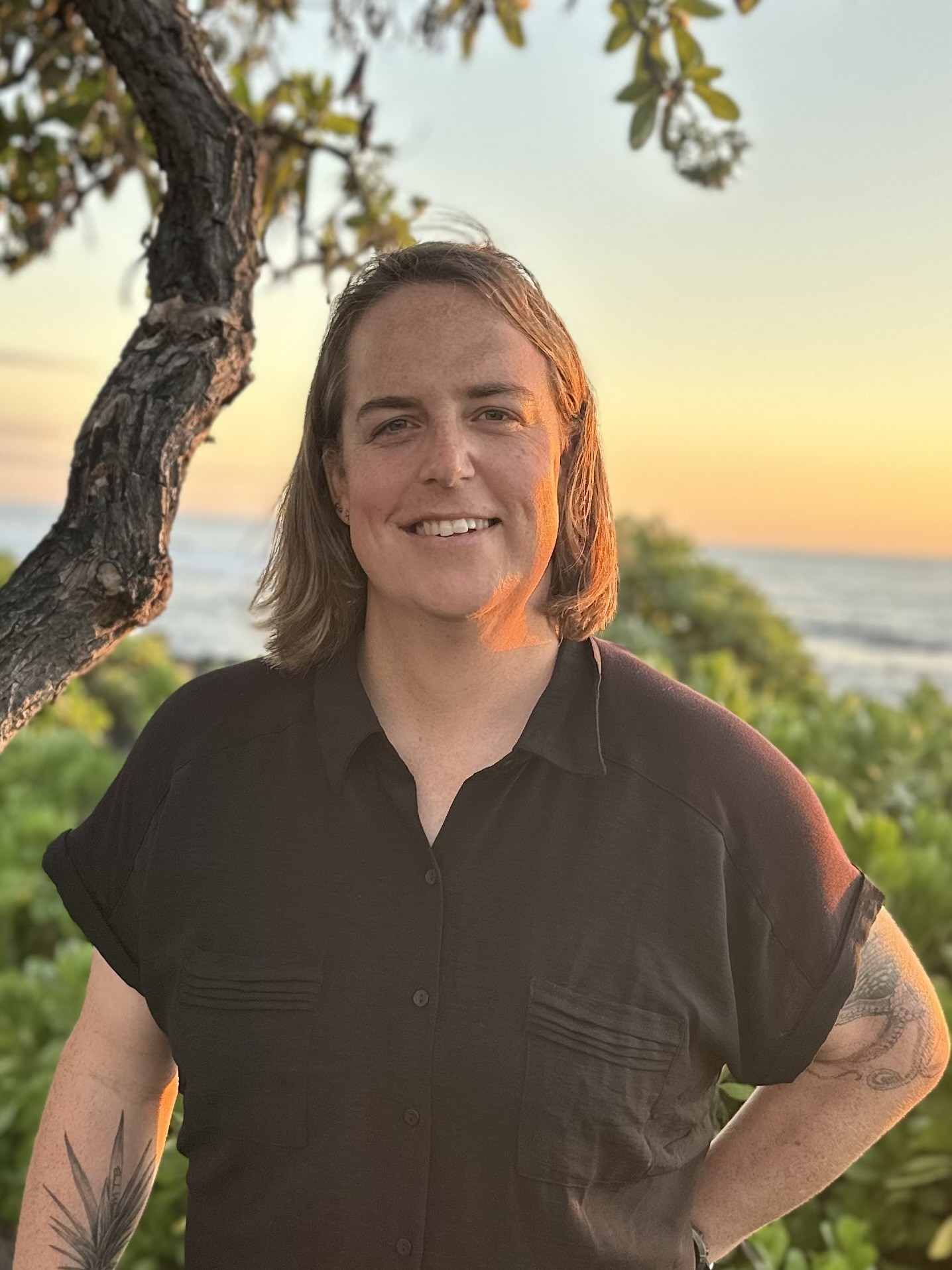
They/Them
They/Them
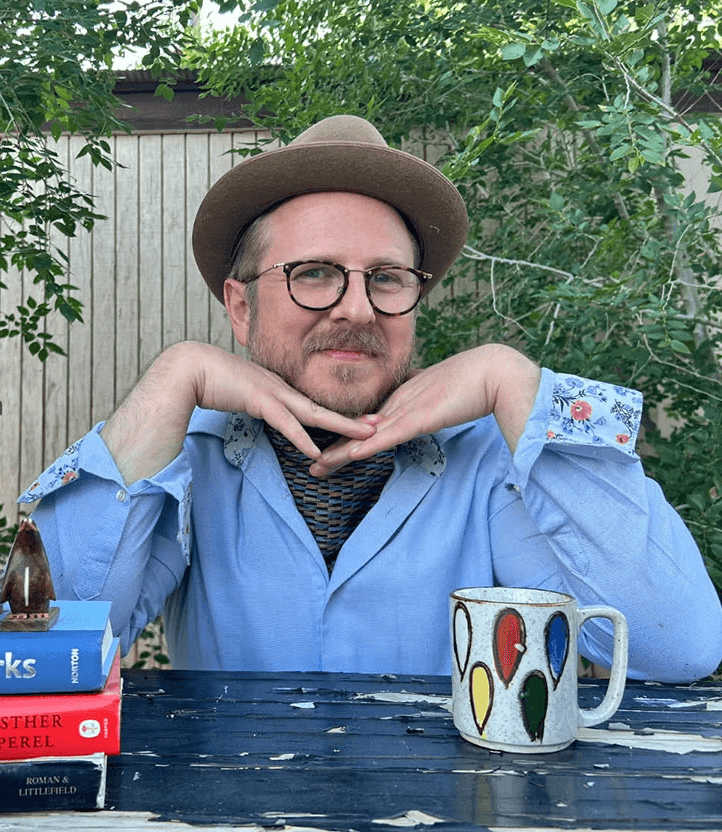
He/Him
He/Him
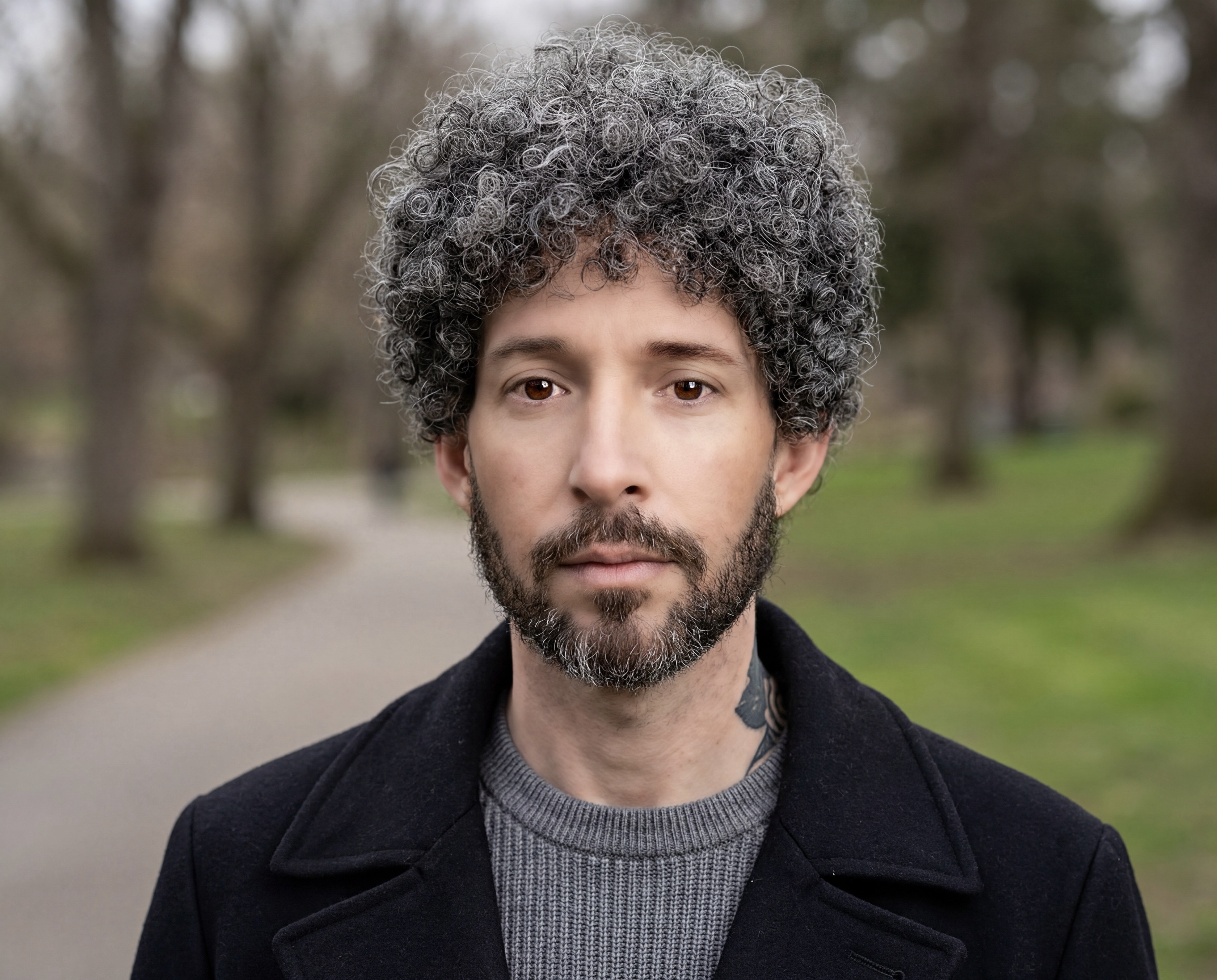
He/Him
He/Him
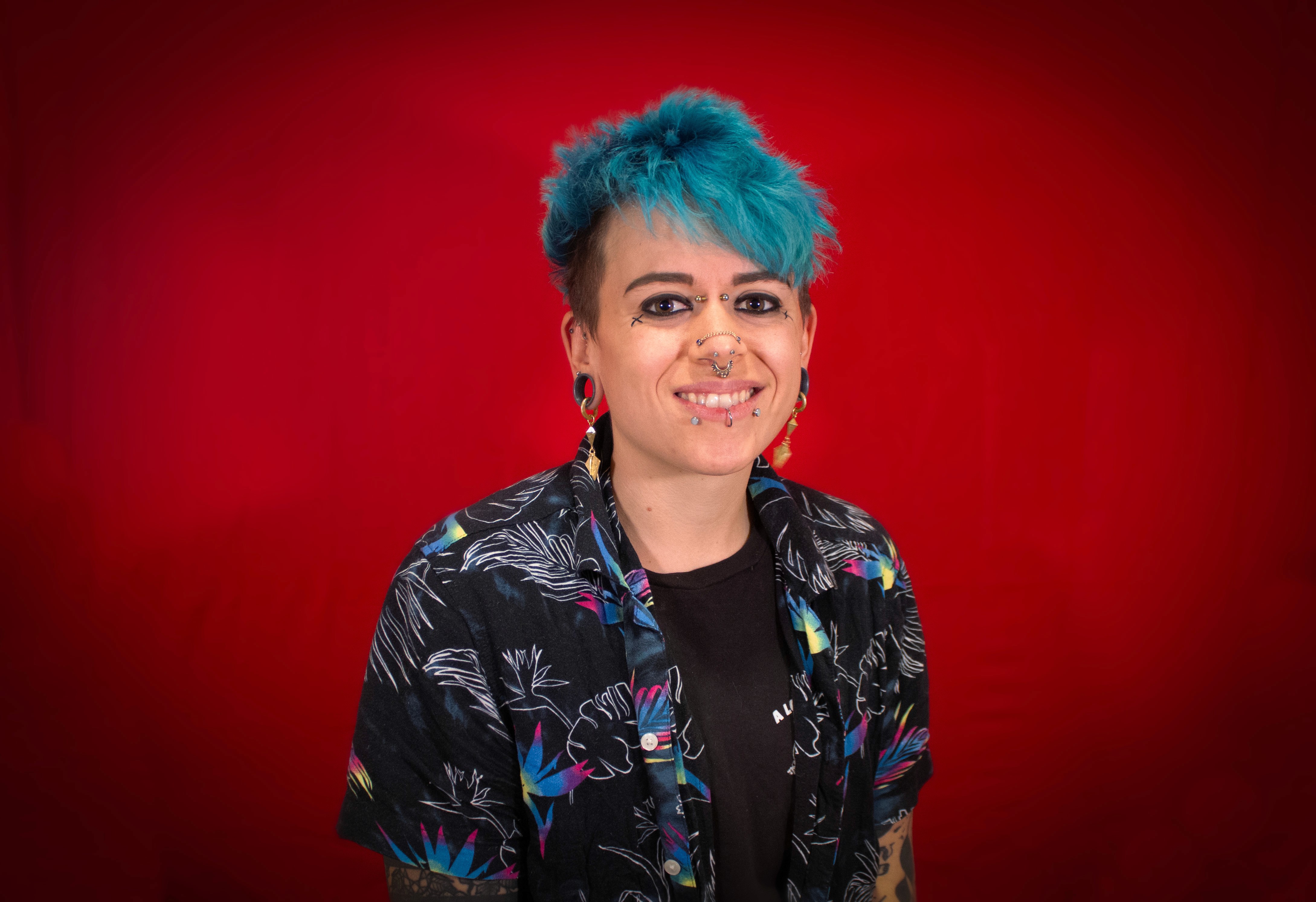
They/Them
They/Them

He/Him
He/Him
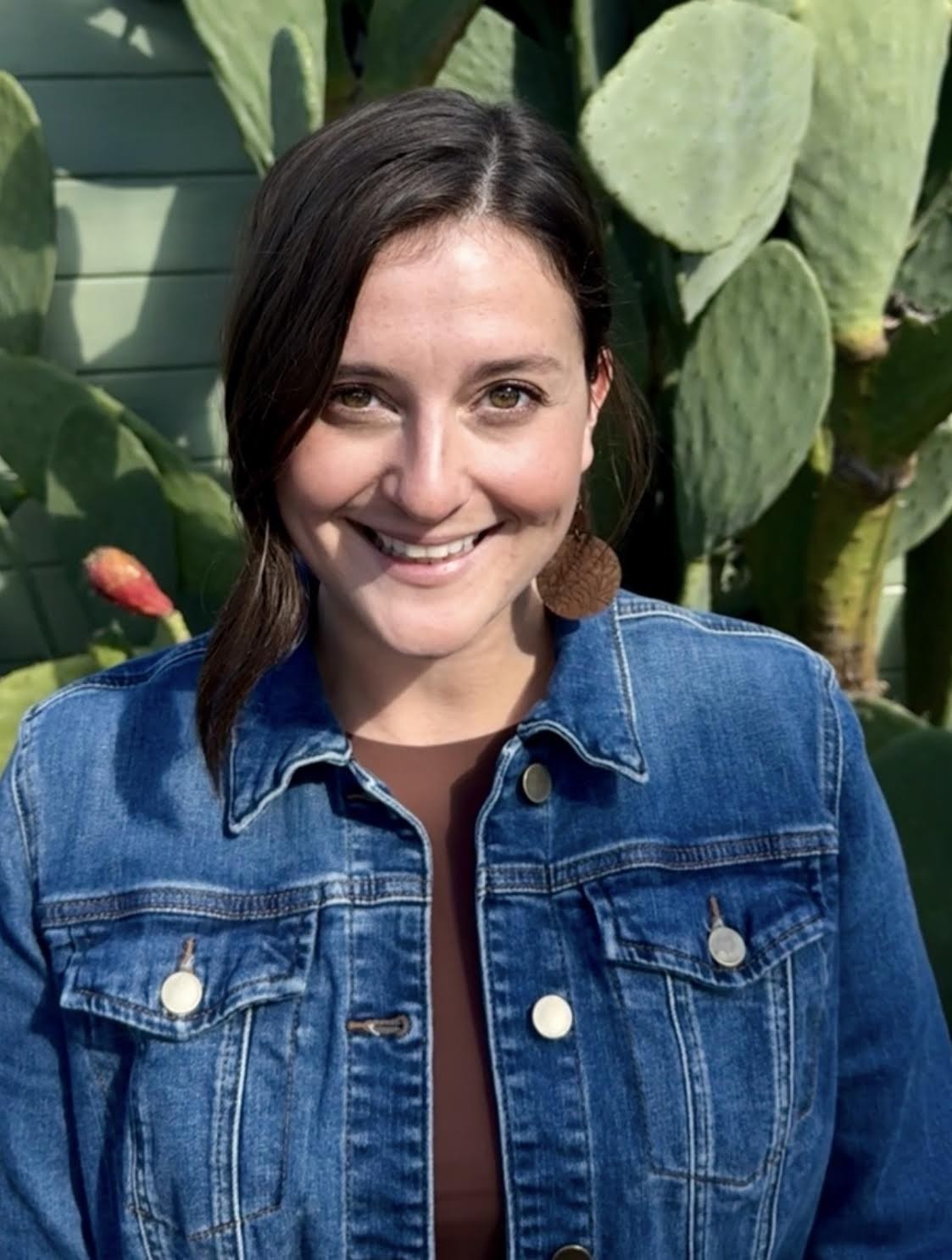
She/Her
She/Her
She/Her
He/Him
They/Them
He/Him
He/Him
They/Them
He/Him