


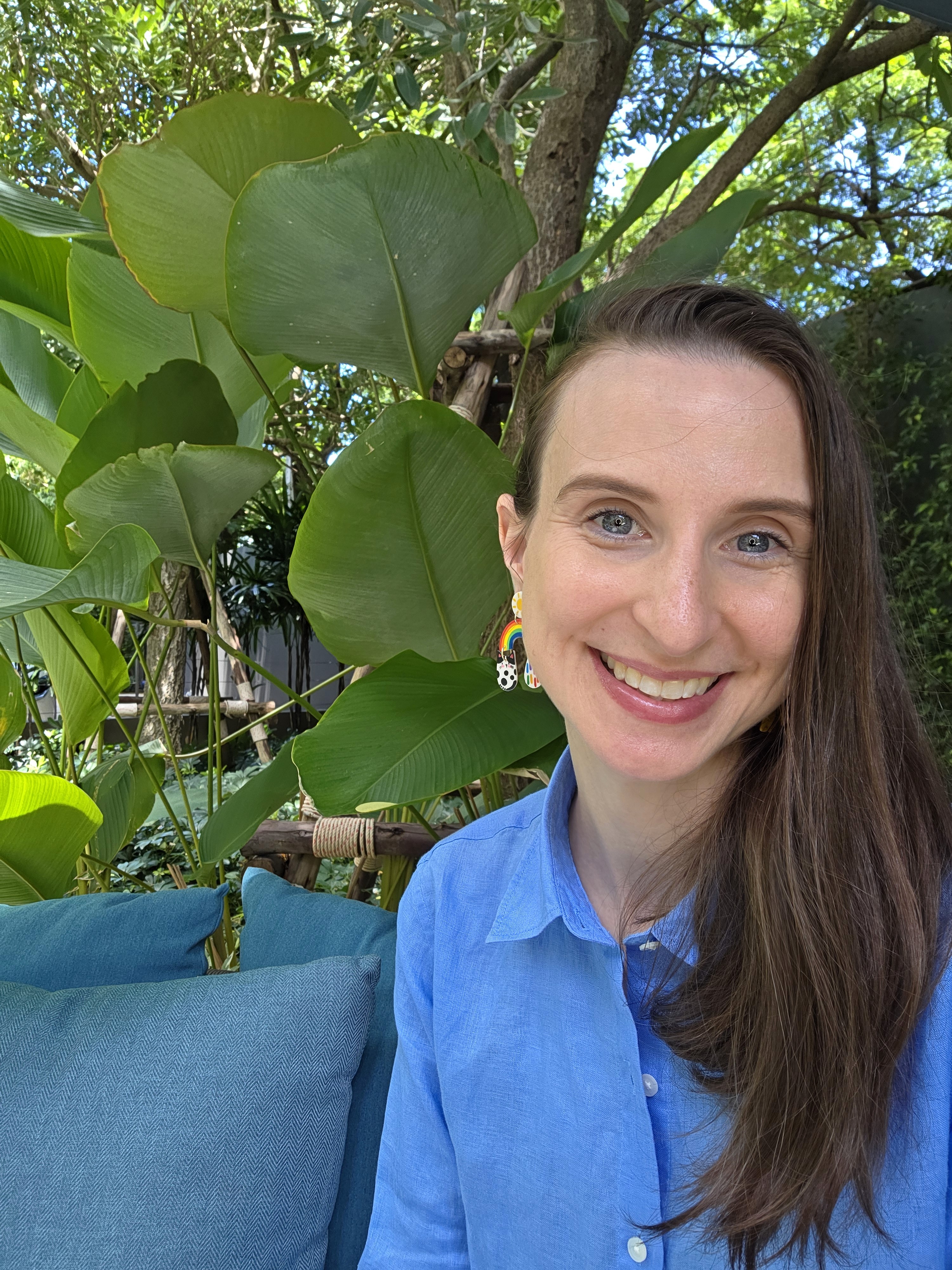
What type of person are you a particularly good fit for?
I work well with adults who are seeking support in navigating life's challenges in a way that feels grounded, compassionate, practical, and actionable.
I especially enjoy working with people who are curious about themselves, open to self- reflection, and interested in developing healthier ways of coping, communicating, and caring for themselves.
They may not be struggling with severe or persistent mental health conditions, but they recognize that something feels difficult, heavy, or out of balance and want support understanding and addressing it.
What kinds of struggles or life moments do you feel most at home helping people with?
I feel most at home supporting people through periods of stress, change, and uncertainty. This includes life transitions, relationships and dating, financial concerns, chronic illness, anxiety, retirement transition, expat life, and questions about identity, purpose, and belonging.
I am particularly passionate about helping people explore the emotional side of money. Financial concerns often show up as anxiety, shame, self-doubt, avoidance, relationship conflict, or feeling stuck. Together, we can explore the connection between experiences, emotions, beliefs, and financial behaviors to build a healthier and more empowered relationship with money.
I integrate emotional processing, psychoeducation, and concrete coping strategies to help clients better understand themselves, reduce distress, and build resilience. Theoretically, I draw from approaches such as Internal Family Systems (IFS), Acceptance and Commitment Therapy (ACT), Gottman Method, Relational Life Therapy, Humanistic, Somatic, and Existential therapies, tailoring my approach to each client's unique needs.
When someone first sits down with you, what do you want them to feel?
Above all, I want clients to feel safe, affirmed, supported, and accepted.
Many people come to counseling carrying concerns they've never fully shared before. I strive to create a space where clients can show up as they are, slow down, exhale, and feel heard without fear of judgment or pressure to have everything figured out.
I hope people leave their first session feeling a little less alone and a little more hopeful. Even when challenges cannot be solved immediately, I want clients to feel that there is a path forward and that they have a supportive partner as they work toward greater stability, well-being, and a life that reflects their values, strengths, and vision for the future.
What type of person are you a particularly good fit for?
I work well with adults who are seeking support in navigating life's challenges in a way that feels grounded, compassionate, practical, and actionable.
I especially enjoy working with people who are curious about themselves, open to self- reflection, and interested in developing healthier ways of coping, communicating, and caring for themselves.
They may not be struggling with severe or persistent mental health conditions, but they recognize that something feels difficult, heavy, or out of balance and want support understanding and addressing it.
What kinds of struggles or life moments do you feel most at home helping people with?
I feel most at home supporting people through periods of stress, change, and uncertainty. This includes life transitions, relationships and dating, financial concerns, chronic illness, anxiety, retirement transition, expat life, and questions about identity, purpose, and belonging.
I am particularly passionate about helping people explore the emotional side of money. Financial concerns often show up as anxiety, shame, self-doubt, avoidance, relationship conflict, or feeling stuck. Together, we can explore the connection between experiences, emotions, beliefs, and financial behaviors to build a healthier and more empowered relationship with money.
I integrate emotional processing, psychoeducation, and concrete coping strategies to help clients better understand themselves, reduce distress, and build resilience. Theoretically, I draw from approaches such as Internal Family Systems (IFS), Acceptance and Commitment Therapy (ACT), Gottman Method, Relational Life Therapy, Humanistic, Somatic, and Existential therapies, tailoring my approach to each client's unique needs.
When someone first sits down with you, what do you want them to feel?
Above all, I want clients to feel safe, affirmed, supported, and accepted.
Many people come to counseling carrying concerns they've never fully shared before. I strive to create a space where clients can show up as they are, slow down, exhale, and feel heard without fear of judgment or pressure to have everything figured out.
I hope people leave their first session feeling a little less alone and a little more hopeful. Even when challenges cannot be solved immediately, I want clients to feel that there is a path forward and that they have a supportive partner as they work toward greater stability, well-being, and a life that reflects their values, strengths, and vision for the future.
Come as you are.
Come as you are.
Weird is welcome.
Weird is welcome.
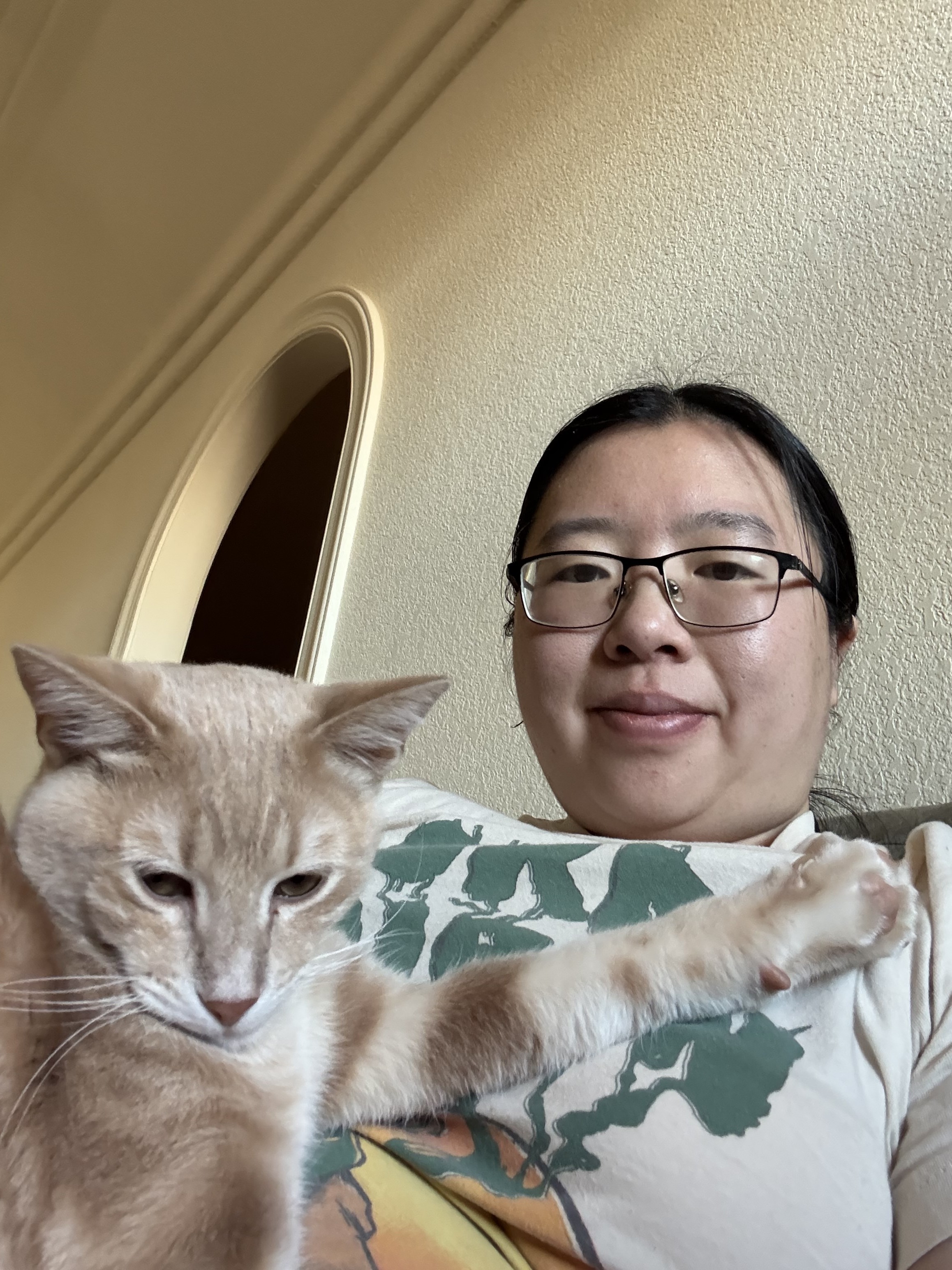
She/Her
She/Her

He/Him
He/Him
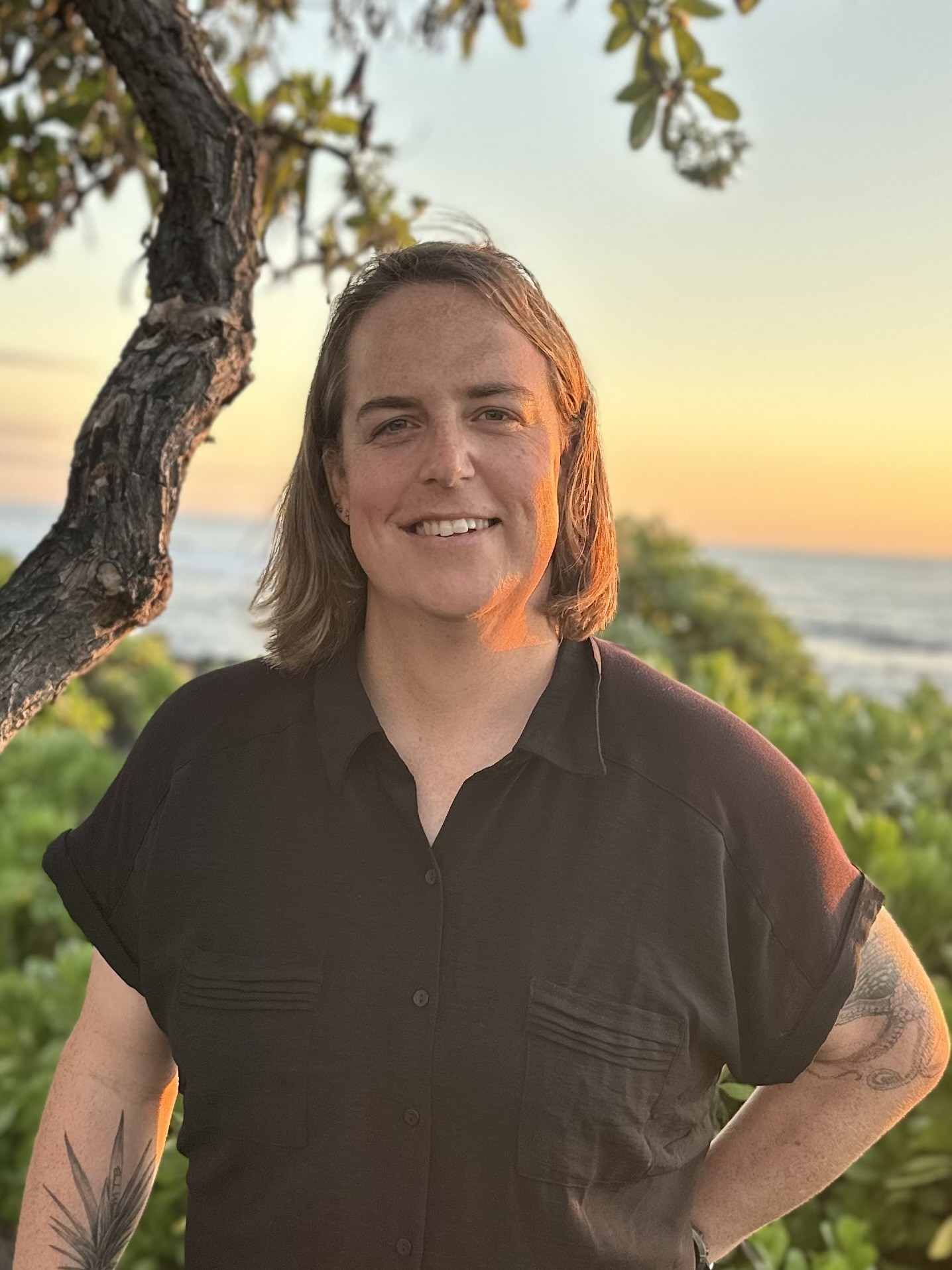
They/Them
They/Them
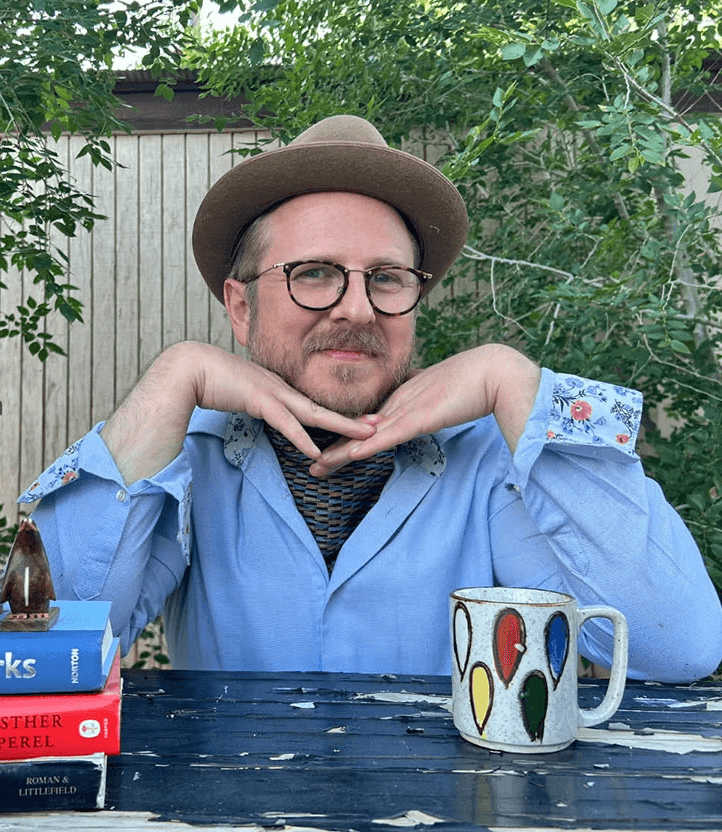
He/Him
He/Him
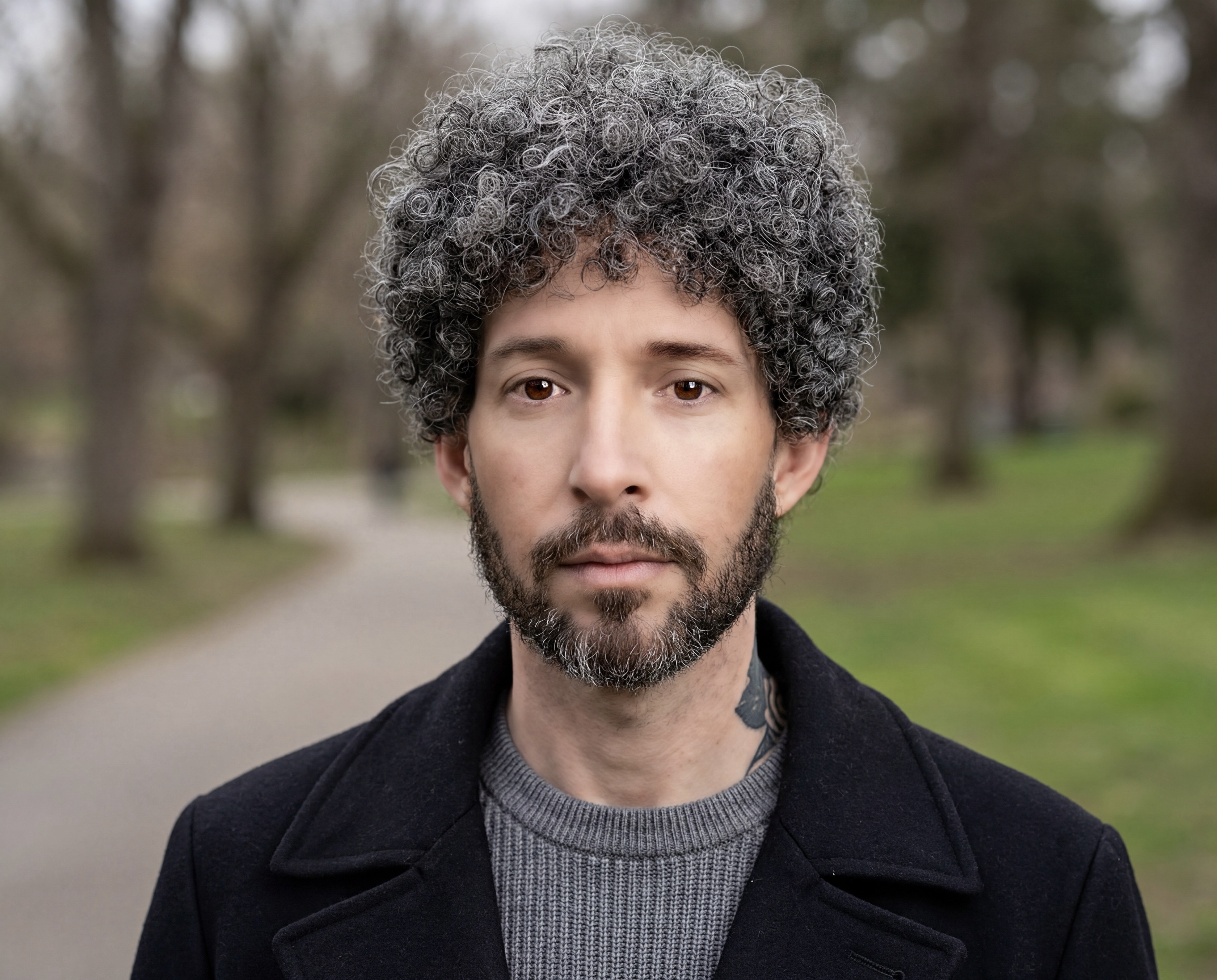
He/Him
He/Him
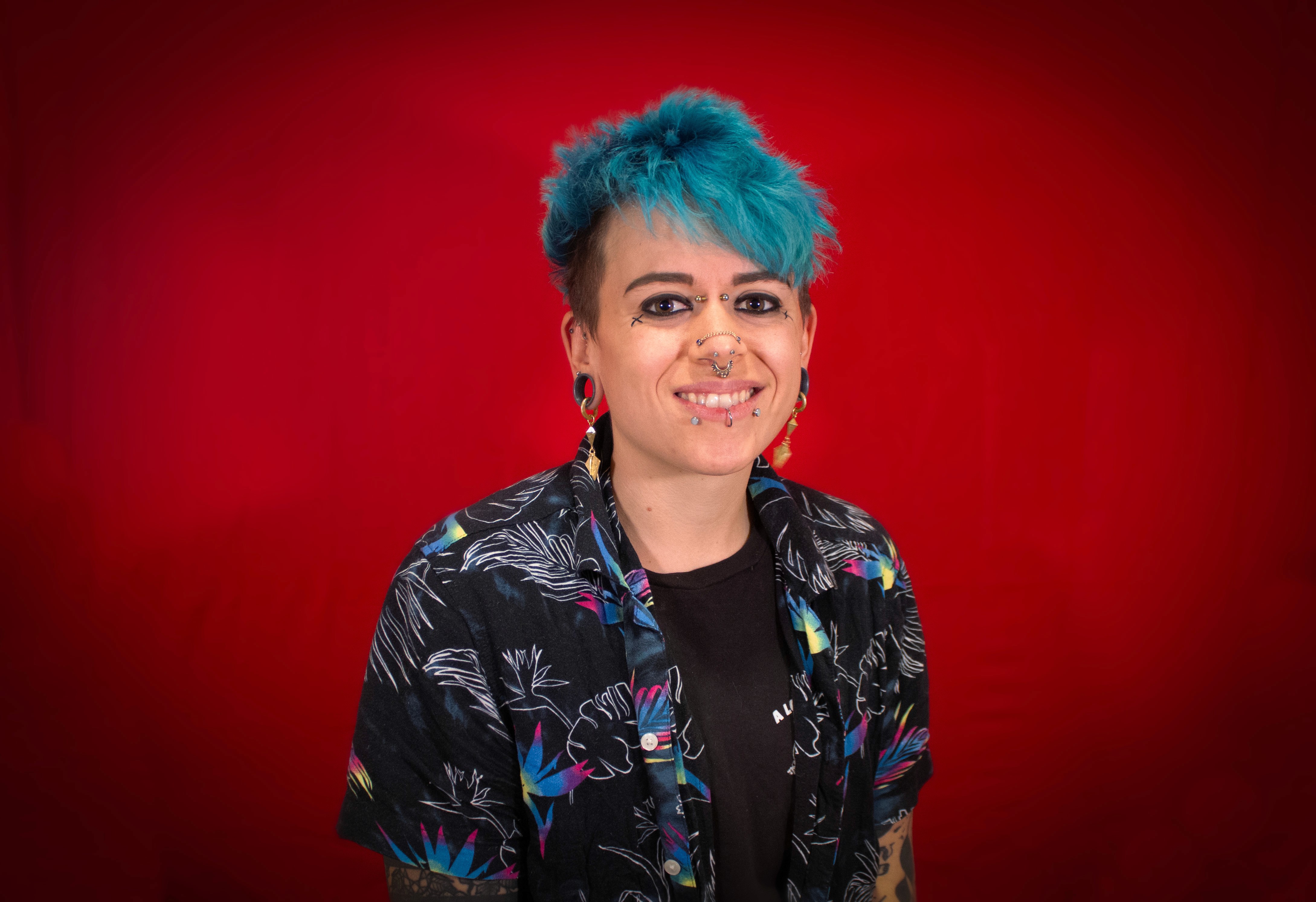
They/Them
They/Them

He/Him
He/Him
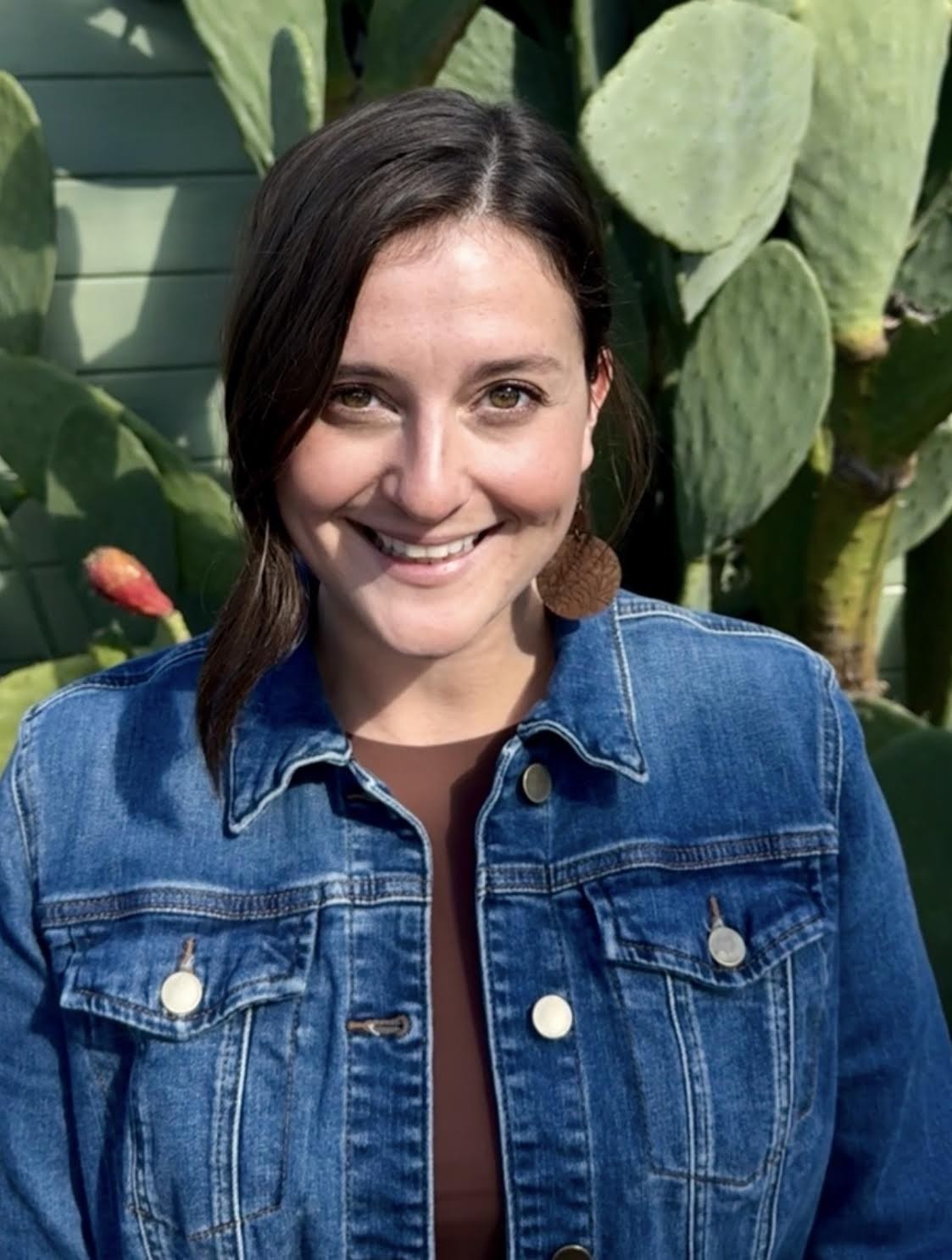
She/Her
She/Her
She/Her
He/Him
They/Them
He/Him
He/Him
They/Them
He/Him